

Start taking payments
Sales M-F 9 a.m. - 8 p.m. ET
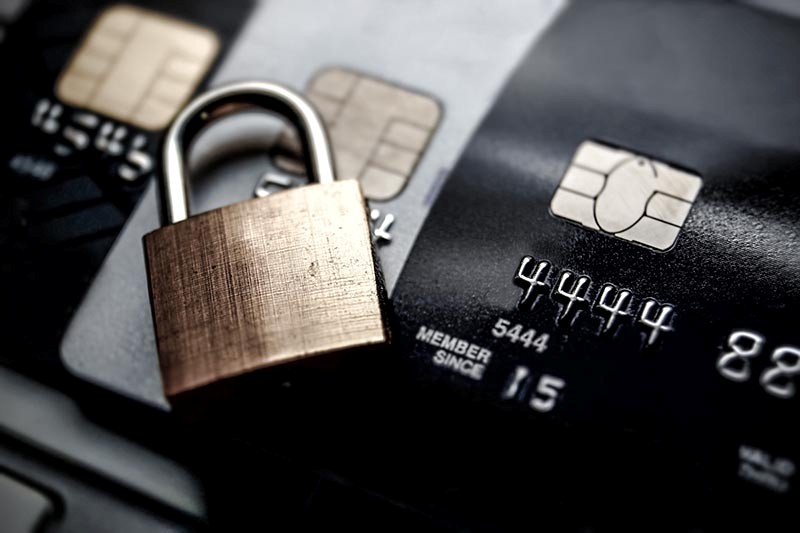
Quick answer: A secure payment processor helps protect card data at every step of a transaction through layered defenses: PCI-DSS compliance, encryption, tokenization, EMV chip technology and real-time fraud monitoring. No single feature makes a processor secure on its own. Look for a provider that combines all these safeguards while helping you understand your own security responsibilities.
Every time a customer swipes, taps, or types in their card details, they're handing your business something valuable and deeply personal: their payment card information. Behind that transaction is a payment processor working to move that data safely from point A to point B and back to the point of sale in a matter of seconds.
Choosing the right processor isn't just a technical decision. It's a business one. A secure processor helps protect your customers' payment data at every stage of a sale, which helps you reduce fraud, safeguard your reputation, and earn the kind of trust that keeps people coming back.
Here's what "secure" actually means in payment processing, and what to look for when you're evaluating a provider.
What does secure payment processing mean?
Secure payment processing means storing, handling or transmitting payment card and digital payments in a way that keeps sensitive information protected from the moment a customer presents that payment data as a form of payment for goods or services.
When a customer pays, their information passes to your payment processor, which sends an authorization request to the card network and issuing bank. The approval or decline decision routes back to your business to complete the sale. It happens in seconds, but there are several handoffs along the way.
A secure processor wraps protection around every one of those handoffs. Instead of relying on a single safeguard, it layers multiple defenses so that if one line of protection is tested, others are still standing.
Why does payment security matter for your business?
Strong payment security does a lot of important work behind the scenes. Done well, it helps you:
Together, these are the difference between a business customers feel is safe and one that becomes a headline for the wrong reasons.
What security features should a payment processor provide?
Not all processors are built the same. Here's what's worth looking for.
What is PCI-DSS compliance, and why does it matter?
PCI-DSS stands for Payment Card Industry Data Security Standard: a set of requirements created by the major card brands to govern how businesses store, process, and transmit card information securely. Think of it as the baseline rulebook for handling card data responsibly.
A strong processor doesn't just meet these standards itself. It also gives you the resources and guidance to understand and complete your own PCI DSS validation responsibilities, so you're not left guessing about your part.
How does encryption protect customer data?
Encryption scrambles payment information into unreadable data. While a card number moves through the payment process, it isn't sitting in plain text for anyone to grab. The real value shows up if that data is ever intercepted: encrypted information is significantly harder for an unauthorized user to access.
What is tokenization in payment processing?
Tokenization replaces sensitive card information with a unique, randomly generated stand-in called a token. That token can be used for stored payment methods and repeat purchases, but it holds no value to a thief because the actual card number isn't part of it.
This matters most for businesses that keep cards on file. Instead of storing real card numbers, you store tokens, which dramatically limits how much valuable payment data sits inside your business waiting to be targeted.
How do EMV chips and contactless payments reduce fraud risk?
Every time an EMV chip card is used, it generates unique transaction information specific to that single purchase. Compare that to old magnetic-stripe cards, which carried the same static data on every swipe, data that could be copied and reused. Because chip transactions produce something new each time, EMV technology makes counterfeit card fraud far more difficult to pull off.
Tap-to-pay cards and mobile wallets keep pace without cutting corners. Each contactless transaction uses encrypted, transaction-specific information, similar to EMV chips. Mobile wallets add another layer with built-in tokenization and device authentication. Better security and a faster checkout aren't at odds here: contactless gives customers a quicker way to pay without sacrificing protection.
How do secure processors detect and prevent fraud in real time?
Secure processors keep a constant eye on transactions, watching for behavior that doesn't add up. Behind the scenes, that involves a mix of tools:
When something looks suspicious, it can be flagged or declined before it ever turns into a loss, often before you even know there was a threat.
What internal access controls should a secure processor support?
Security isn't only about customer data moving through the system. It's also about who inside your business can access what. Strong processors support multi-factor authentication, unique user accounts, and role-based permissions.
The guiding principle: employees should only have access to the information and tools their specific job requires, and nothing more. It's also worth maintaining solid password standards and reviewing account access regularly, so old logins and unnecessary permissions don't become a liability.
What should you ask a processor before you sign on?
A good provider has clear answers to pointed questions. Ask whether the processor maintains PCI-DSS compliance, uses encryption and tokenization, protects online and mobile transactions and provides security alerts and transaction monitoring. Ask, too, whether it helps you understand your own security responsibilities. If a processor hesitates or gets vague on any of these, you might want to dig deeper.
The right processor does the heavy lifting on security
No single feature creates a secure payment environment. Encryption alone won't do it. Neither will a chip card or a fraud filter on its own. Real protection comes from combining secure technology, industry compliance, active fraud monitoring, and responsible business practices. When those pieces line up, you get something that's hard to break and easy for customers to trust.
Costco Payment Processing, from Elavon, brings these protections together in one place, from PCI-DSS compliance support and encryption to tokenization, EMV, and contactless-enabled devices and fraud monitoring. The solutions are built to secure your payments across in-store, online, and mobile environments, while giving you the guidance to understand your own role in keeping data safe.
Ready to see what that looks like for your business? Explore secure payment processing solutions with Costco Payment Processing, from Elavon.
FAQs
A secure payment processor combines multiple layers of protection, including PCI-DSS compliance, encryption, tokenization, EMV chip support, and real-time fraud monitoring, rather than relying on a single safeguard.
No. Encryption scrambles data so it can't be read in transit. Tokenization replaces the actual card number with a randomly generated token that has no value if stolen. Secure processors typically make both available to their customers.
Yes. Contactless transactions use encrypted, transaction-specific information similar to EMV chips, and mobile wallets add tokenization and device authentication on top of that.
Ask direct questions about PCI-DSS compliance, encryption, tokenization, and fraud monitoring. A provider that hesitates or gives vague answers likely isn't offering the layered protection your business needs.
Beyond technology, owners should look for transparency, flexibility, availability and dependable guidance. A good partner takes time to understand the business, explains tradeoffs clearly and recommends solutions that remove work rather than create more to manage.
